
The solidarity stay is not just a label affixed to a brochure. Behind the word “responsible,” the structuring of projects, financial redistribution mechanisms, and impact evaluation criteria vary significantly from one operator to another. Traveling differently means understanding these mechanisms before choosing a destination or an organization.
Risk of voluntourism: what distinguishes a structured solidarity stay from a cosmetic trip
Vigilance regarding voluntourism has intensified in recent years. UNICEF and several field NGOs have documented the negative effects of unregulated short missions, where travelers without specific skills temporarily replace local labor. The result: increased dependence on visitor flows and a devaluation of existing know-how.
A structured solidarity stay responds to a demand expressed by the host community, not by the operator. We recommend checking if the project existed before the travelers’ arrival and if it will continue without them. A viable project does not depend on the occasional presence of visitors.
The duration of the stay also plays a role. Missions of a few days in an orphanage or a school raise documented ethical issues. Formats that work last several weeks, with a precise framing of tasks and post-stay follow-up ensured by a permanent local partner.
For those looking for formats already filtered according to these criteria, discovering the offers from Le Voyageur Solidaire allows for the identification of stays whose structuring is based on sustainable local partnerships.
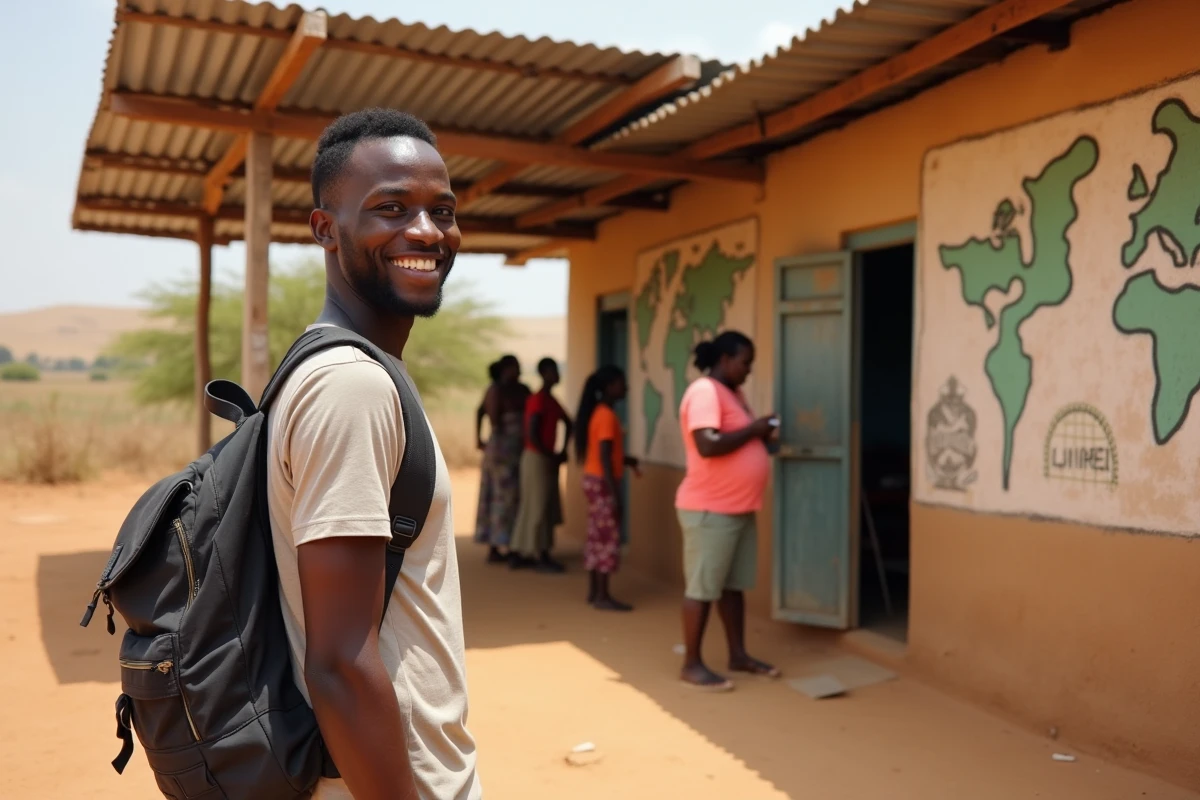
Environmental labeling and responsible tourism: towards measurable criteria
The discourse on responsible travel is entering a phase of normalization. In France, environmental labeling is progressing in the tourism sector, with a growing expectation of transparency regarding the carbon footprint of stays. The era of simple declarative commitment is coming to an end.
The European CSRD directive, adopted on December 14, 2022, requires an increasing number of companies to publish sustainability information. Solidarity travel operators, even small ones, are experiencing an indirect effect: their hosting, transport, or receptive partners must document their social and environmental impacts more rigorously.
In practical terms, this means that travelers can request comparable data before booking. A solidarity stay in Senegal and another in Peru are not equivalent solely based on the proposed program. The mode of transport to the destination, the type of accommodation, and the portion of the price returned locally are verifiable indicators.
What we observe on financial redistribution
The majority of serious operators communicate the percentage of the stay’s price that remains in the host country. We observe that the most transparent structures detail the breakdown item by item: accommodation with locals, payment for local guides, contribution to the community project, logistical costs.
An operator who simply states “a portion of the profits is redistributed” without specifying either the amount or the recipient deserves thorough verification.
Immersion stay: criteria for selecting a solidarity accommodation
Staying with locals is the most common format in solidarity tourism. Its quality depends on parameters that mainstream articles rarely address.
- The rotation of host families: a fair system distributes travelers among several households in the village, avoiding the concentration of income on a single family and the resulting social tensions.
- The training of hosts: structured local receptive partners train families in food hygiene standards and hospitality management, without imposing a hotel standard that would distort the experience.
- Informed consent: locals participate voluntarily and can withdraw from the program at any time, ensuring that the hospitality remains authentic and not pressured by economic constraints.
Solidarity accommodation relies on a balance between minimal traveler comfort and respect for the host’s daily life. When this balance is disrupted, in either direction, the experience loses its value for both parties.
Ecotourism and solidarity stays: complementarity and limits
Ecotourism and solidarity tourism share a common foundation (respect for the environment, benefits for local populations), but their objectives differ. Ecotourism places nature and biodiversity at the center of the stay. Solidarity travel prioritizes human relationships and support for a community project.
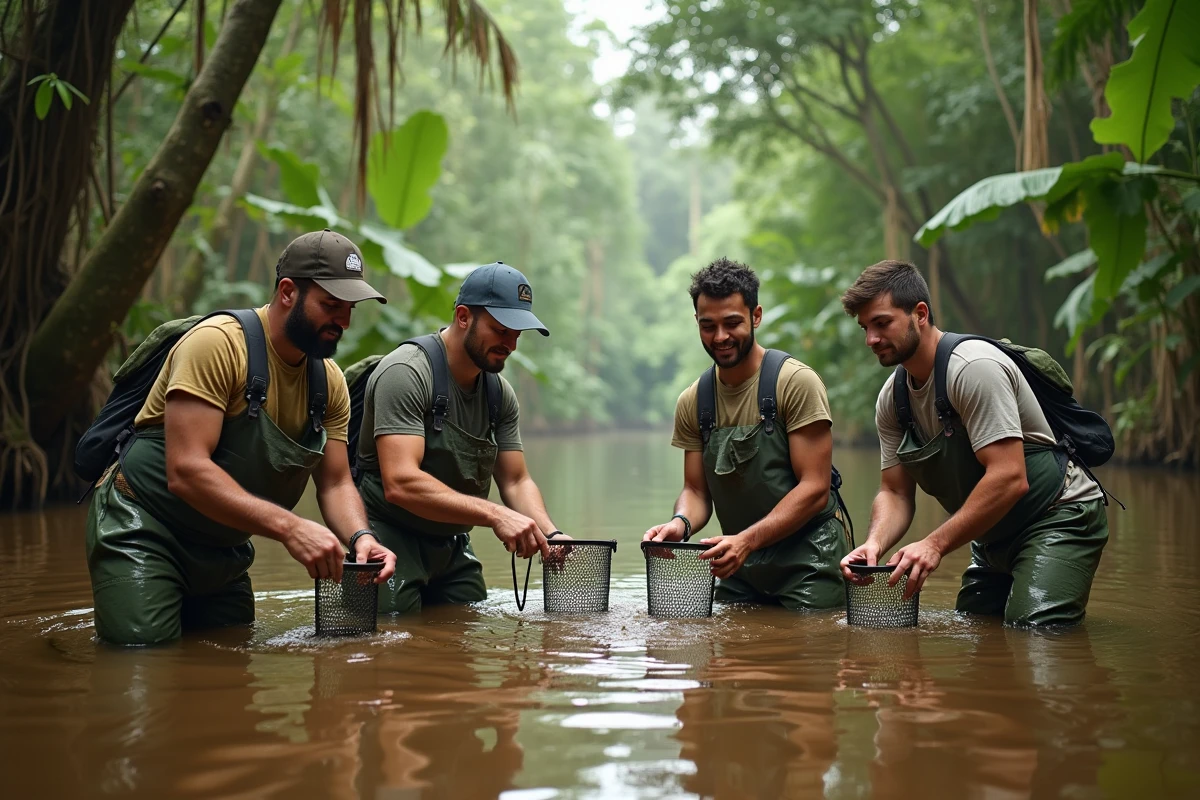
Stays that combine both approaches exist, particularly in countries where the preservation of an ecosystem involves the direct involvement of local communities. Participatory reforestation, monitoring of protected areas, or promoting ecological corridors through tourism are concrete examples.
Limits to be aware of
A stay cannot simultaneously be an intensive sports trek, a conservation mission, a cultural immersion, and a development project. Programs that stack promises dilute the real impact of each component. We recommend prioritizing stays focused on a clear objective, with results documented by the local partner.
- A conservation project must produce monitoring data (species counting, restored area) accessible to participants.
- A cultural immersion stay must include structured exchange time with locals, not just passive observation.
- An economic support program must allow tracking the use of funds collected after the travelers’ departure.
Solidarity and responsible travel is maturing. Travelers who engage in it now have tools to verify the consistency between an operator’s discourse and reality on the ground. Demanding evidence of impact rather than promises of intent remains the best compass for choosing a stay that deserves the term “solidarity”.