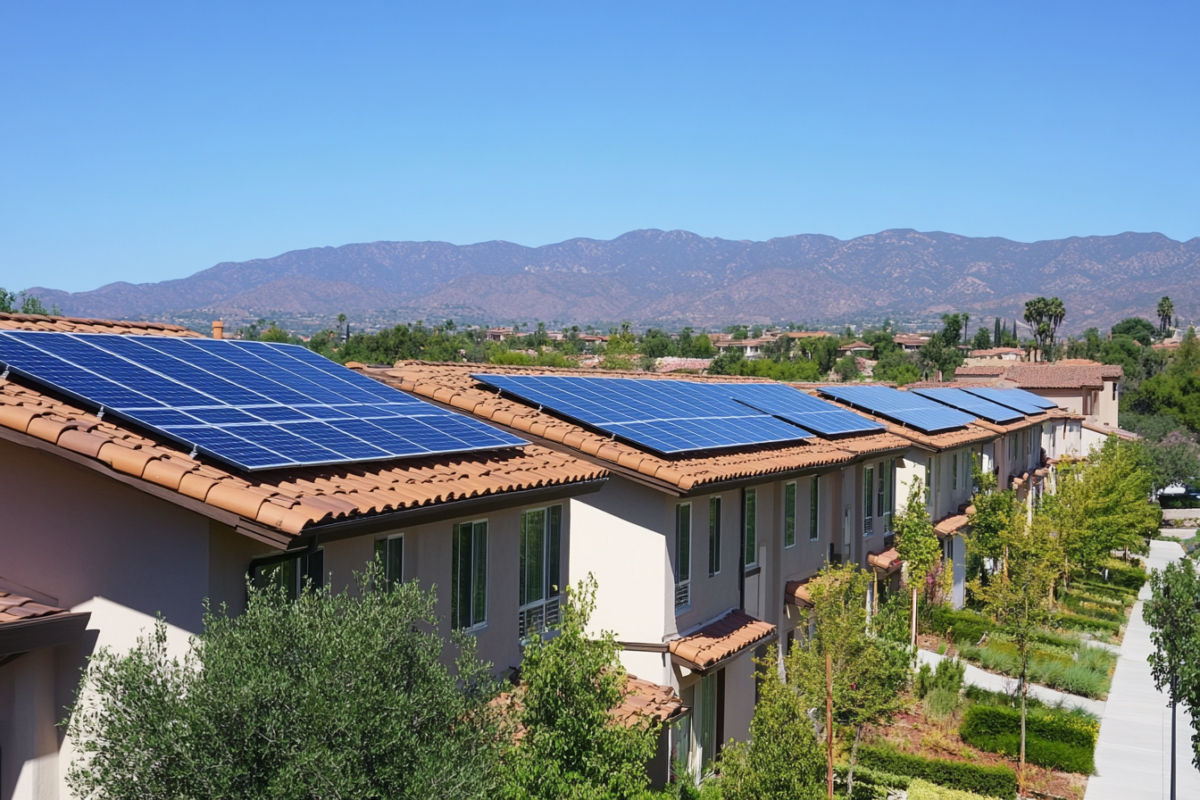
In a world facing major energy challenges, the importance of renewable energies takes a central place in our lives. Solar energy, in particular, stands out for its ability to transform sunlight into electricity in a clean and sustainable manner. Solar panels are a key element of this energy revolution, providing a viable alternative to traditional energy sources, which are often polluting and costly. At a time when the climate crisis demands innovative solutions, the adoption of solar panels is becoming evident. This constantly evolving technology promises to transform not only our homes but also our impact on the environment.
The foundations of solar panels
Solar panels rely on fascinating scientific principles that allow them to capture and convert solar energy. Understanding how they work is essential to appreciate their potential.
- Photovoltaic: This term refers to the process by which solar cells convert sunlight into electricity. Photovoltaic cells are made of semiconductor materials, primarily silicon, which generate an electric current when exposed to light.
- Solar heat: In addition to photovoltaic, there are solar thermal systems that harness the sun’s heat to warm water or fluids. This can be used for domestic or industrial applications, providing an efficient alternative to conventional heating methods.
- Installation and orientation: Optimizing the performance of solar panels depends on their orientation and tilt relative to the sun. A well-planned installation maximizes solar energy capture throughout the year.
The economic benefits of solar panels
Adopting solar panels presents numerous economic benefits that have a direct impact on the finances of households and businesses.
Initial investments in solar panels can be significant, but they are quickly offset by savings on electricity bills. This reduction in energy costs is particularly notable in sunny regions where solar energy production can cover a significant portion of energy needs.
Moreover, many governments offer tax incentives and subsidies to encourage the adoption of solar technologies. These financial aids make the installation of solar panels even more attractive. Owners of solar installations can also benefit from the mechanism of selling excess electricity back to the public grid, thus generating additional income.
Environmental issues
Solar panels play a crucial role in the fight against climate change. Their contribution to reducing the carbon footprint is undeniable.
Switching to solar energy means reducing dependence on fossil fuels, which are responsible for greenhouse gas emissions. By producing clean energy, solar panels contribute to the reduction of harmful emissions, thereby promoting a healthier environment.
- Solar panels require little water to operate, unlike conventional thermal power plants, thus preserving this precious resource.
- The reduction of air and water pollution is directly linked to the increased use of solar energy, contributing to public health and biodiversity.
- The materials used in solar panels are increasingly recyclable, integrating a sustainable life cycle approach to limit waste.
The transition to renewable energies, particularly the adoption of solar panels, is part of a broader approach to environmental responsibility and the preservation of our planet for future generations.
Innovation and the future of solar panels
The solar industry is constantly evolving, with emerging new technologies that promise to revolutionize the sector. These innovations offer exciting prospects for the global energy future.
Ongoing research aims to increase the efficiency of solar cells while reducing their production costs. Alternative materials, such as perovskite, show promising potential for improving the performance of solar panels.
Flexible solar panels integrated into buildings represent another major advancement. They allow for the installation of solar systems on complex structures where traditional panels cannot be used.
Finally, the rise of energy storage solutions, such as lithium-ion batteries, enhances the efficiency of solar systems. This helps to overcome one of the main challenges of solar energy: the intermittency of electricity production.
Solar panels represent one of the most promising solutions for a sustainable energy future. Their growing adoption is a step towards energy independence and a cleaner world. With technological advancements and economic incentives, solar energy is becoming accessible to an increasing number of people, offering a glimmer of hope for the planet.