Nearly 90% of elderly people wish to stay at home for as long as possible, according to a study by the DREES published in 2023. However, most traditional assistance devices struggle to meet the rapidly evolving needs associated with aging.
The arrival of digital solutions and artificial intelligence tools is reshaping the landscape. These innovations profoundly change the way we monitor the health, safety, and autonomy of seniors, while providing unprecedented support to those who accompany them daily.
Aging at home: what challenges for seniors’ autonomy today?
Staying at home for as long as possible is the clear choice for most. But living at home while aging means dealing with sometimes harsh realities. Gradual fragility, loss of autonomy, and the onset of loneliness: each journey imposes its own adjustments and requires agile, tailored responses. Distance from family complicates matters, as caregivers juggle a often busy daily life and seek reliable solutions to support their elders without exhausting themselves.
Safety becomes a constant concern. Falls, missed medications, minor household accidents: everything can change in an instant. Actors in the silver economy often remind us that nothing is simple when the unexpected arises, especially if loved ones live hundreds of kilometers away. It is then necessary to combine human support with new technological tools to build a reassuring environment where vigilance never ceases.
Platforms like Astelos Senior embody this evolution with services that blend human presence and digital innovations. Their ambition: to enhance well-being, preserve autonomy, and maintain social connections. Here are some concrete examples of services offered:
- Regular home visits to break isolation
- Assistance with administrative and medical procedures
- Personalized health and physical activity monitoring
Expectations are evolving, situations are changing, and adaptation is constant. Keeping an elderly person at home is not just about providing help; it is also about defending their quality of life and dignity. In this context, every shared moment takes on special value.
Connected objects and artificial intelligence: concrete allies to simplify daily life
The daily lives of seniors are lightened today thanks to real advancements. Connected objects and artificial intelligence are no longer curiosities: they integrate into everyday life, enhance safety at home, prevent incidents, and provide a breath of fresh air to caregivers.
Presence sensors, fall-detecting watches, door opening sensors: the goal is clear, to ensure autonomy and protection. Connected to monitoring platforms, these devices send instant alerts to families or professionals. Artificial intelligence goes further: it learns routines, detects deviations, and anticipates risky situations. If unusual movement is detected, or if a period of inactivity stretches, an alert is triggered, prompt and precise.
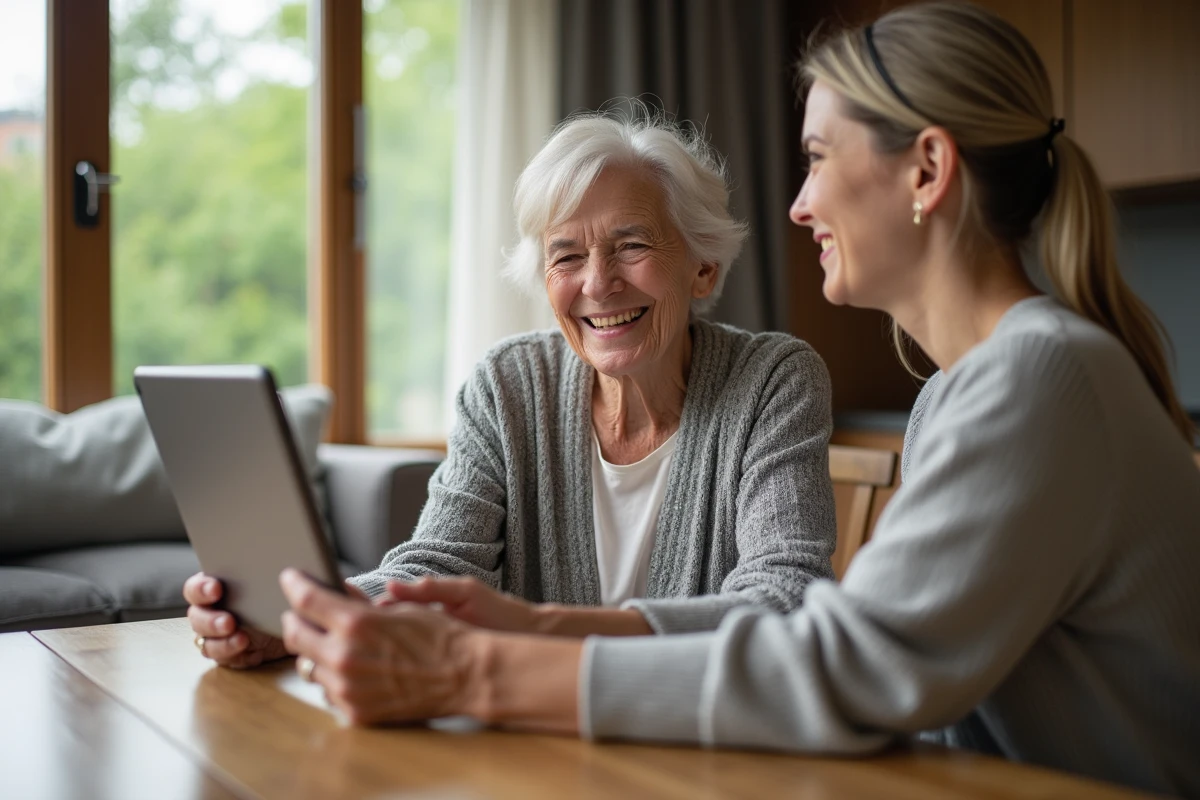
Thanks to this approach, remote assistance becomes truly personalized. Technology, far from isolating, strengthens bonds, reassures families, and restores a sense of serenity at home. Even those who are not comfortable with digital technology benefit from discreet protection, perfectly adapted to their lifestyle habits.
Some examples of concrete uses illustrate this evolution:
- Intelligent and respectful monitoring of the home
- Automatic alerts in case of incidents
- Facilitated communication between seniors, relatives, and professionals via digital tools
One hurdle remains to be overcome: the digital divide. For every user to adopt these innovations, human support is essential. It is the only way to ensure that technology remains an ally, without ever taking the place of listening or the presence of a familiar face.

Resources and practical advice for seniors and their caregivers
To lighten the daily lives of seniors and support caregivers, there are now real tailored support solutions. Nothing replaces human presence: life assistants, trained professionals, each brings their experience, whether in home care or administrative management. Planning, anticipating, adapting the home, organizing care—all contribute to a better quality of life at home.
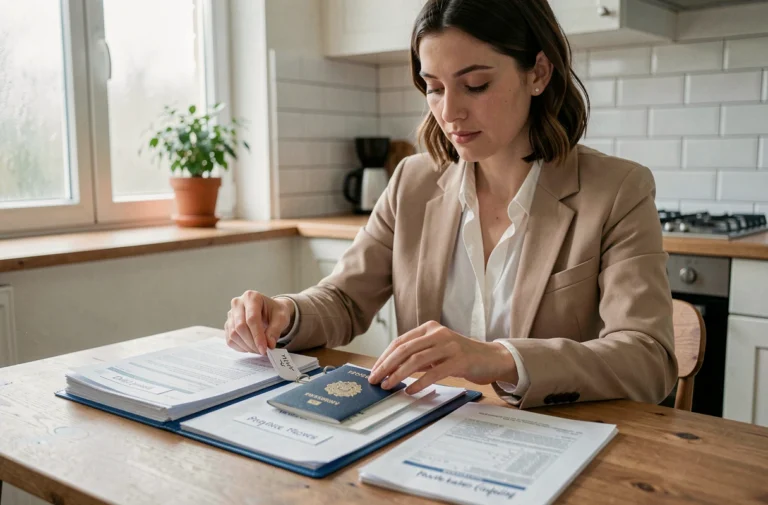
Personalization comes from a precise diagnosis: help with bathing, meal preparation, organizing medical appointments—each need finds a specific response. Relatives can turn to devices like the personalized autonomy allowance (APA), which allows for funding personal services and supporting home care under optimal conditions.
To navigate this offering, several resources are available:
- Contact local information and coordination centers (CLIC) to explore available solutions.
- Use advisory platforms to benefit from daily support.
- Exchange with other caregivers to discover practical tips and share feedback.
Coordination between professionals, families, and specialized structures ensures solid follow-up. Open dialogue prevents breaks in support, limits isolation, and streamlines sometimes complex procedures. This alliance between innovations and human support paves the way for a more serene daily life for seniors.
We are left to imagine what our tomorrows could become: homes where technology watches over without ever overshadowing human warmth, where every age finds its place, without sacrificing comfort or dignity.