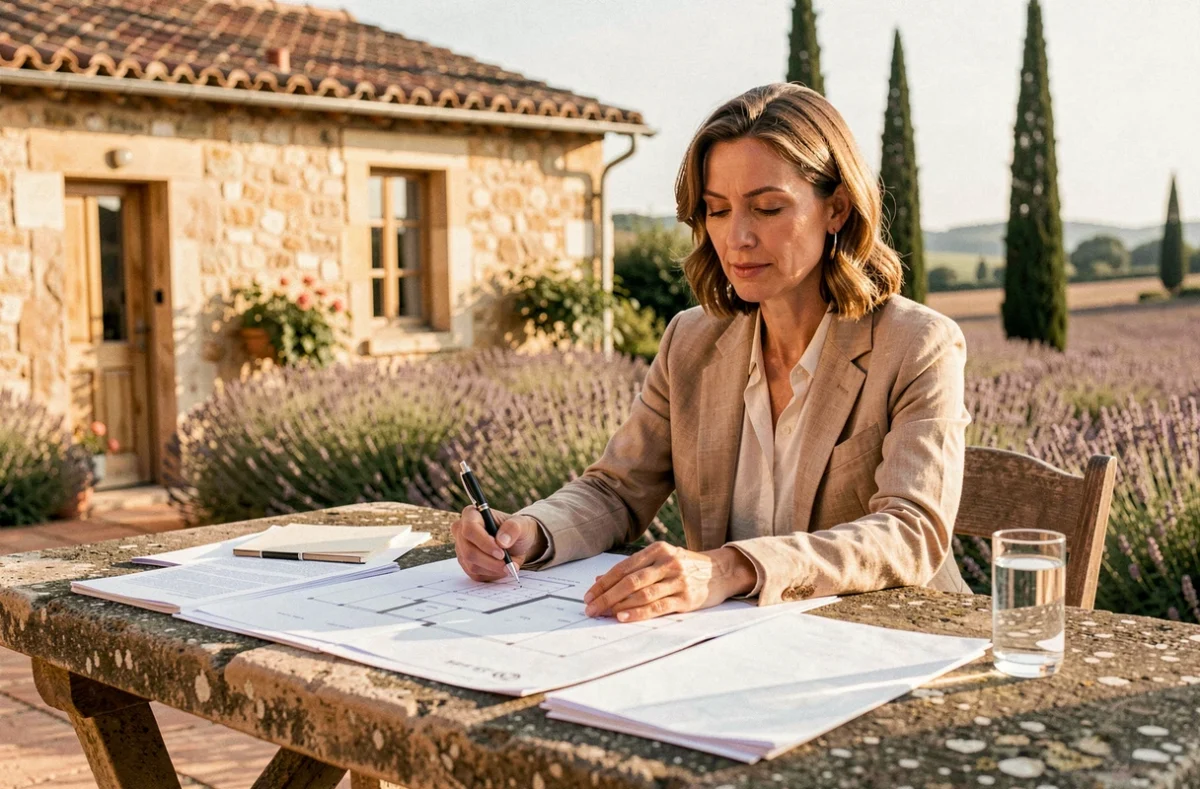
The Provençal real estate market is not just about postcard landscapes. The PACA region accounts for 9% of the national real estate stock while showing a lower proportion of homeowners compared to the French average (56% versus 59%). This gap reflects sustained rental pressure, but also considerable price and yield disparities from one department to another. Comparing these disparities allows us to determine where a real estate purchase in Provence remains relevant, and under what conditions.
Rental yield disparities between Provençal departments
Not all areas of Provence are equal for rental investment. Available data shows that medium-sized towns in Vaucluse and Var have gross yields higher than those of major coastal metropolises.
| Department | Indicative gross yield | Market profile |
|---|---|---|
| Vaucluse | Above 6% | Moderate entry prices, strong rental demand in medium-sized towns |
| Var | Between 4% and 6% | Balance of yield and security, tourist attractiveness |
| Bouches-du-Rhône (excluding central Marseille) | Between 4% and 6% | Large employment pool, heterogeneous prices by neighborhood |
| Alpes-Maritimes (coastal) | Below 4% | High prices, asset appreciation, low rental yield |
Vaucluse stands out with a more favorable purchase price/rent ratio. The municipalities around Avignon or Carpentras allow for the purchase of an apartment at significantly lower prices than those in Aix-en-Provence or Nice, with rents that do not drop in the same proportions.
On the other hand, on the coast of Alpes-Maritimes, rental profitability remains compressed by high purchase prices. Investment there is more about asset value than a quick yield project. The listings available on alpes-provence-immobilier.fr allow for a concrete comparison of prices by sector.
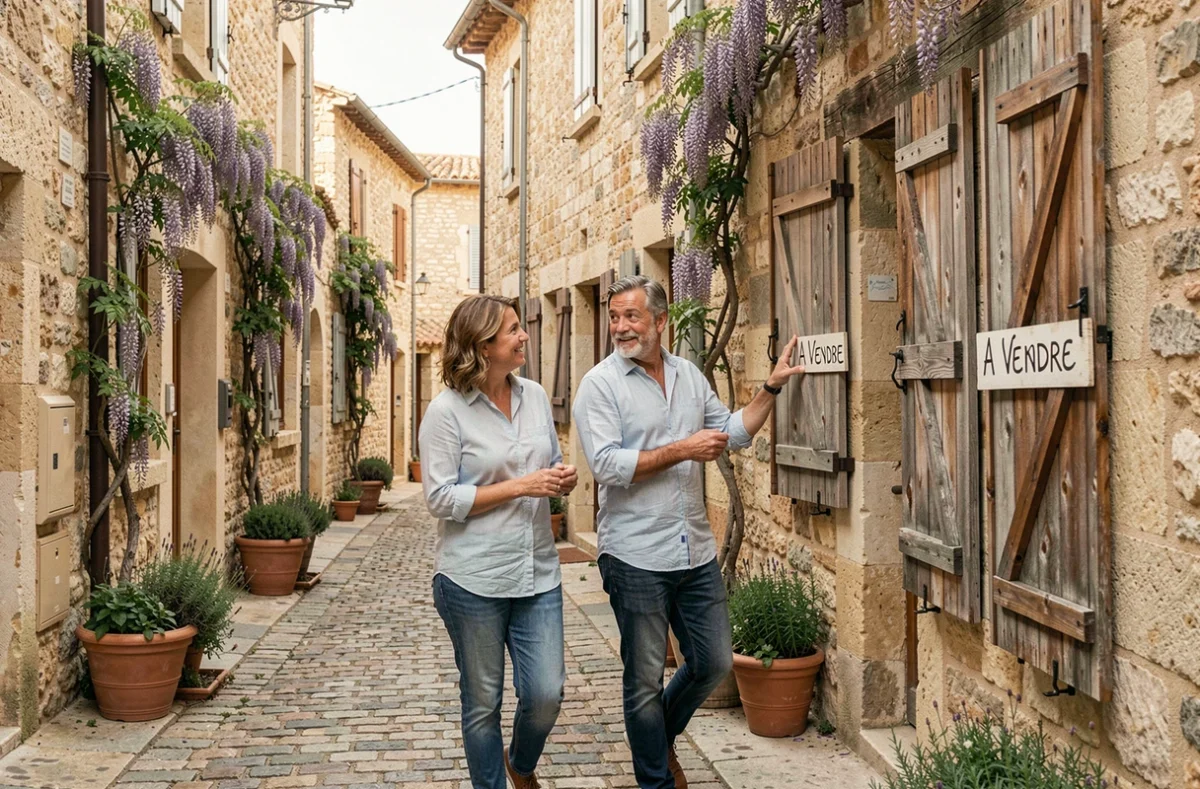
Soil shrink-swell: a risk to check before any real estate purchase in Provence
Competitors talk about location, quality of life, or taxation. None address a geological risk that affects millions of homes in France, particularly in Provence: soil shrink-swell.
This phenomenon causes structural cracks in buildings situated on clay soils subjected to cycles of drought and rehydration. Provence, with its dry climate and increasingly frequent heatwaves, is among the most exposed areas.
An experimental prevention fund since 2025
The state has been experimenting with a prevention fund in eleven highly exposed departments since 2025. This scheme finances vulnerability diagnostics and some preventive work before major damage occurs. For a purchase of a house or land in Provence, checking the parcel on the Géorisques site before making an offer should be a systematic reflex.
The signs to look for during a visit are concrete: stair-step cracks on facades, separation between the building and extensions, doors or windows that no longer close properly. If the property is a standalone house without a recent soil study, the cost of a geotechnical diagnosis (a few hundred euros) is negligible compared to the amount of an uncovered loss.
Seasonal rentals in Provence: new regulatory constraints
Buying an apartment in Provence to rent on a platform like Airbnb remains a common project. The Le Meur law of November 19, 2024, has significantly changed the rules of the game.
In municipalities subject to change of use authorization, a property offered for tourist rental must have an energy performance certificate (DPE) between A and E since November 21, 2024. This requirement applies to the metropolitan area and may render some older properties incompatible with a seasonal rental project without prior energy renovation work.
- A studio classified F or G can no longer be rented seasonally in a concerned municipality, unless renovations allow it to reach at least class E
- Some Provençal municipalities have established a quota of rental days or a mandatory registration number, which limits the flexibility of the project
- The rental permit, already in effect in several intercommunalities, requires prior authorization for any rental, including long-term rentals
Before investing in a property intended for tourist rental, it is essential to consult the specific regulations of the targeted municipality. The rules vary significantly from one city to another, even within the same department.
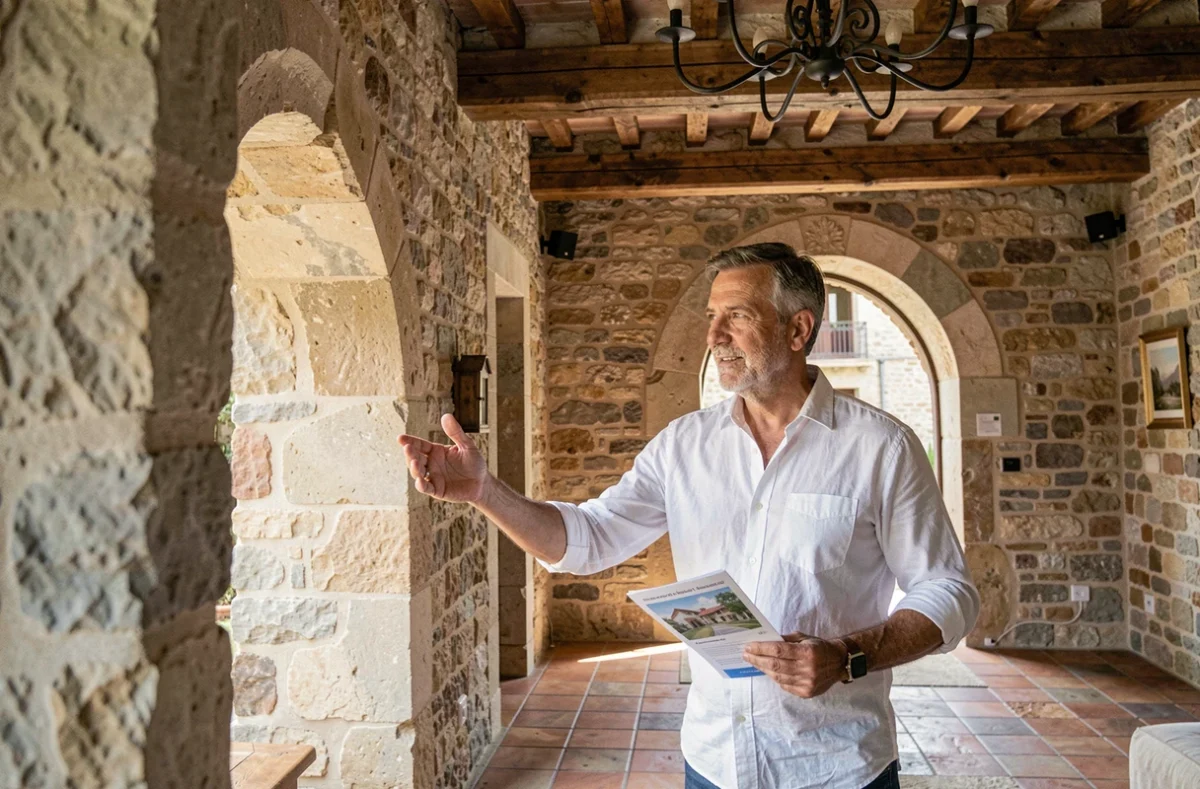
Real estate purchase in Provence: three checks that change the profitability of the project
Beyond the displayed price, the actual profitability of a Provençal investment depends on parameters rarely highlighted in listings.
The DPE as a negotiation filter
A property classified E, F, or G in the energy performance diagnosis offers a margin for negotiation at purchase but imposes a renovation budget that must be precisely estimated. The cost of energy renovation should be included from the calculation of the net price, not discovered after signing.
Notary fees and rental taxation
In Provence, as elsewhere, notary fees represent a significant part of the overall budget, particularly in older properties. The choice between furnished and unfurnished rental also changes the tax regime applicable to the rents received and, consequently, the net profitability after tax can vary significantly depending on the chosen structure.
Remote property management
For an investor who does not live on-site, property management represents a recurring expense. Entrusting the follow-up to a local professional (tenant search, inventory, rent management) has a cost but limits the risks of vacancy and unpaid rents.
The Provençal market remains promising for those who select their sector based on factual criteria rather than tourist image. A gross yield above 6% in Vaucluse guarantees nothing if the soil is clayey, the DPE is poor, or the municipality is restrictive on short-term rentals. Cross-referencing rental, geological, and regulatory data before signing remains the only reliable method to secure a real estate purchase in Provence.