When you open the fridge on a Tuesday evening with three zucchinis, a bit of cream, and zero inspiration, lists of “50 genius tips” aren’t very helpful. The real challenge of cooking at home rarely lies in the lack of recipes. It stems from the constraints we accumulate: a tight budget, minimal equipment, food intolerances in the household, or simply the time that runs out after a workday.
Cooking with limited equipment: what really changes the outcome
We often imagine that you need a food processor, a cooking thermometer, and a full set of pots and pans to succeed in your dishes. In practice, a frying pan, a burner, and a good knife cover the majority of everyday recipes.
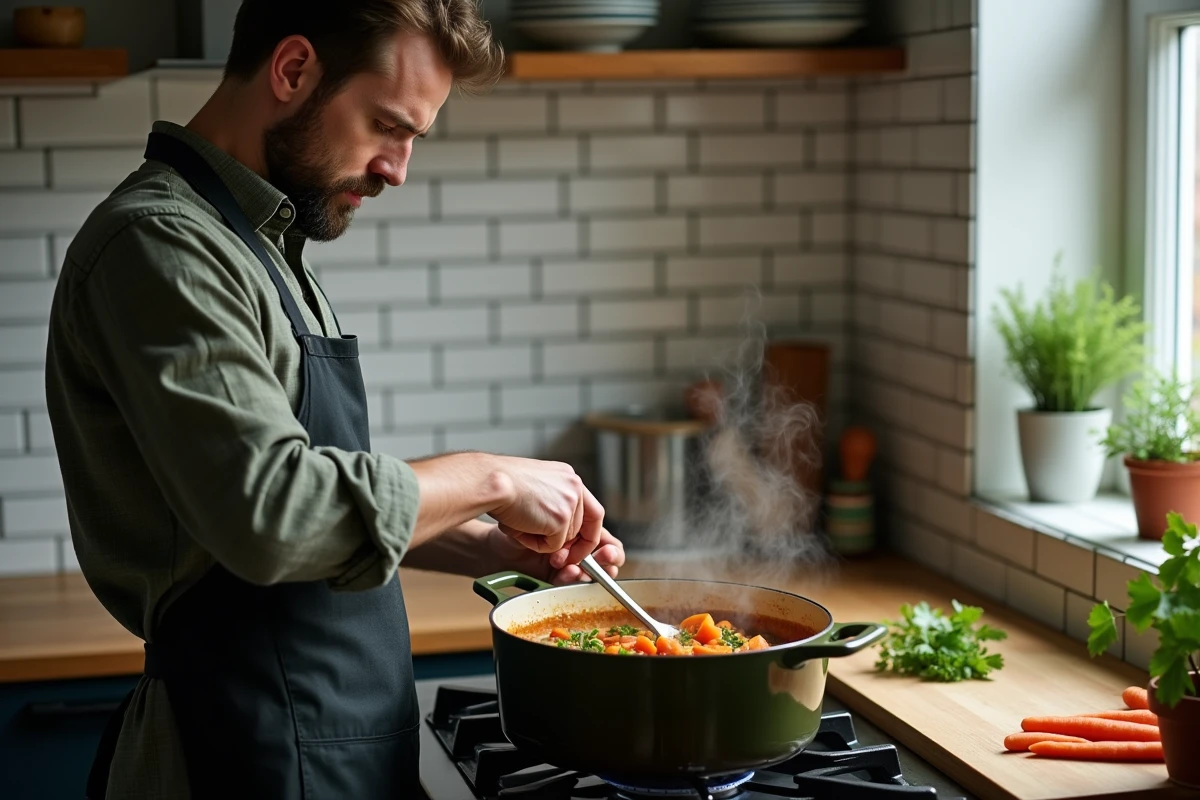
The key factor that makes a difference is the quality of the heat source, not the number of utensils. A well-preheated steel or cast iron pan provides even cooking for vegetables, meat, or fish. Feedback on this point varies depending on the type of burner (induction, gas, ceramic), but the principle remains the same: let the pan heat up before adding a drizzle of oil.
To deepen your basics and find recipes suited to this type of direct cooking, you can consult the online site Conseils Cuisine, which gathers technical sheets by type of dish.
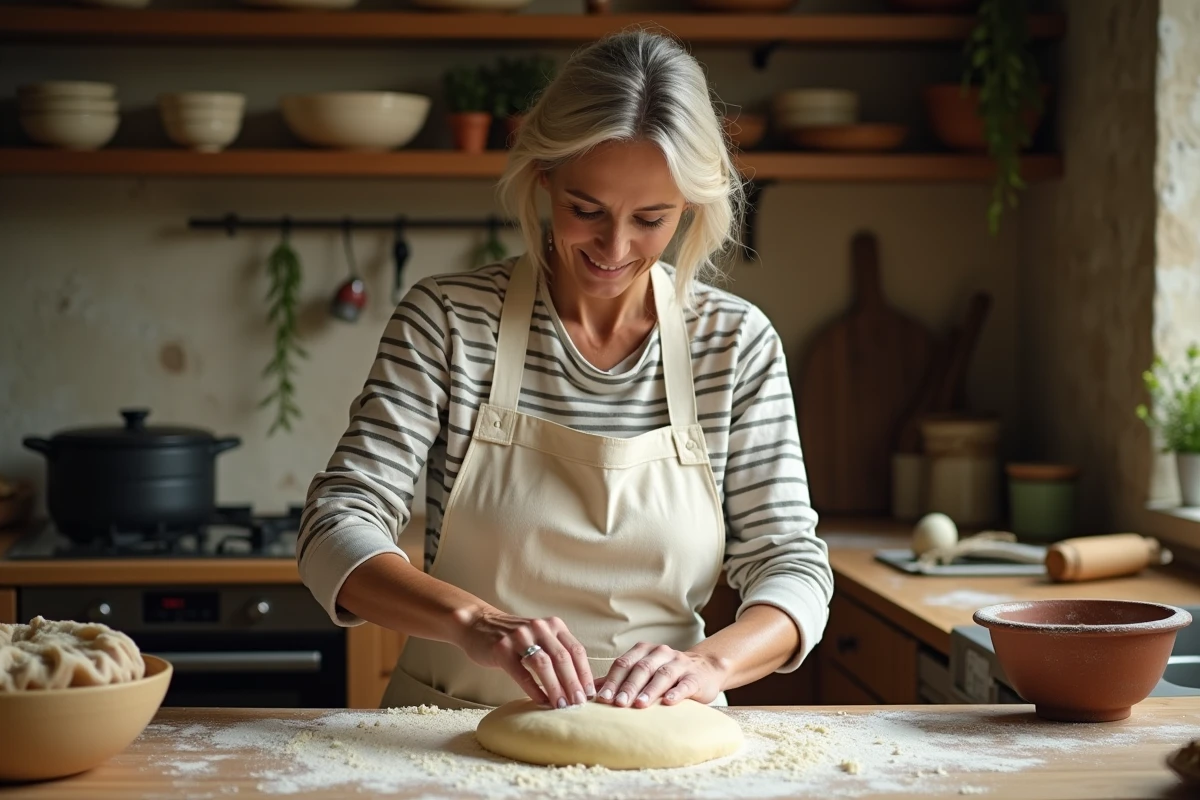
Another underestimated lever: cutting. A vegetable cut into even pieces cooks uniformly. A vegetable cut into varying thicknesses results in a mix of burnt and raw pieces. Taking thirty seconds to even out the cut prevents cooking mishaps.
Adapting recipes for allergies and diets without reinventing everything
Most classic cooking tips assume that everyone eats everything. In a household where someone cannot tolerate gluten, eggs, or dairy products, each recipe requires adaptation. Good news: these substitutions are often simpler than one might think.
Replacing eggs in a recipe
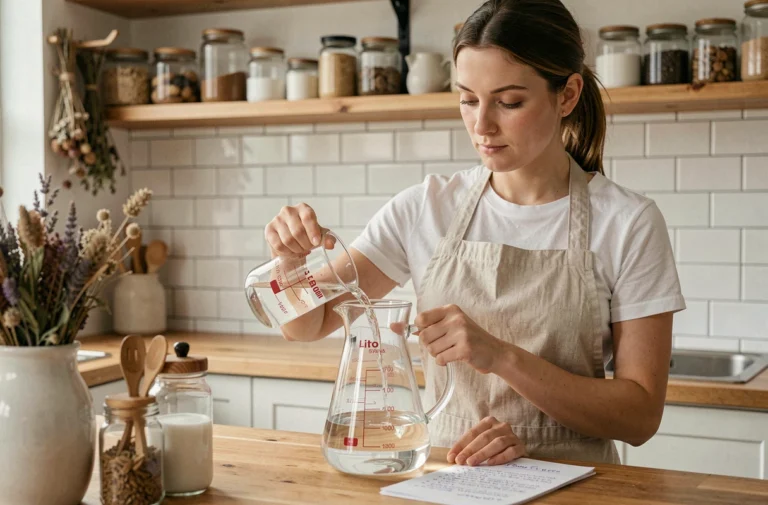
To bind a pancake batter or a savory cake, one tablespoon of ground flaxseed mixed with three tablespoons of water replaces one egg. The mixture forms a gel after a few minutes that acts as a binder. You can also use applesauce in cakes, which adds moisture as a bonus.
Dairy-free cooking
Sour cream can be replaced with coconut cream in a sauce or gratin. Coconut cream holds up well during cooking and doesn’t curdle, making it a reliable substitute for hot dishes. For pasta, a drizzle of olive oil with reserved cooking water produces an emulsified sauce without butter or cream.
Gluten-free cooking
Thickening a sauce with cornstarch instead of wheat flour yields a smoother result. Dissolve the cornstarch in a bit of cold water before incorporating it into the hot liquid to avoid lumps.
- Ground flaxseed + water to replace an egg in pasta and cakes
- Coconut cream to replace sour cream in sauces and gratins
- Cornstarch dissolved in cold water to thicken without gluten
- Applesauce for moisture in egg-free cakes
Limited budget: optimizing your shopping to cook better at home
Buying less but better is a mantra we hear everywhere. In practical terms, cooking around one basic ingredient per week reduces waste and simplifies meals. You buy a whole chicken, bulk lentils, or a large batch of seasonal vegetables, then create variations.
A roasted chicken on Sunday provides leftovers for a curry on Monday and a broth with the carcass on Tuesday. Lentils cooked in large quantities can be transformed into cold salad, soup, or a base for a vegetarian Bolognese sauce.
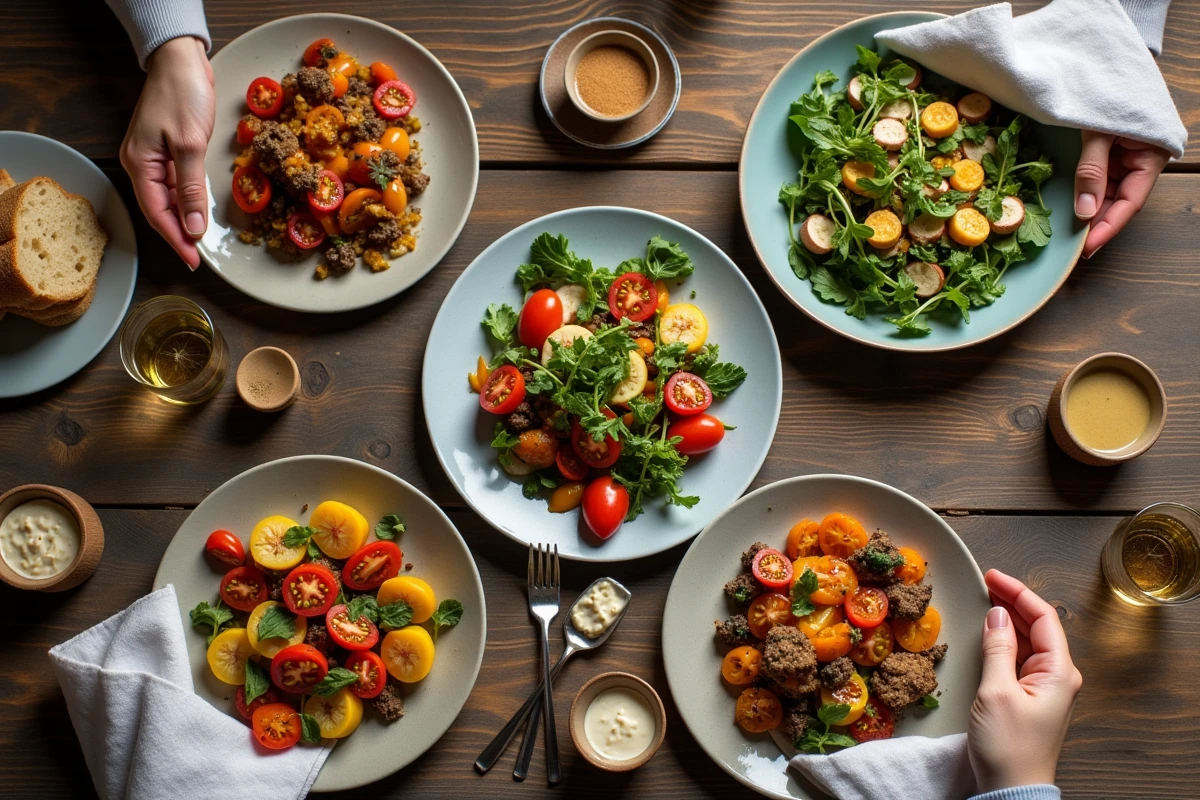
The reflex to adopt: before throwing away a bit of wilting vegetables, check if they can be used in soup, stir-fry, or omelet. Carrot tops make a decent pesto when blended with oil, lemon, and sunflower seeds. Using peels and tops reduces waste and stretches the grocery budget.
- Use one main ingredient across two or three meals during the week
- Cook legumes in large quantities and store them in the fridge for several days
- Transform leftover vegetables into soup, stir-fry, or omelet filling
- Freeze excess portions in suitable containers
Cooking pasta and rice: two common mistakes to correct
We think we have mastered cooking pasta because we make it three times a week. However, two details can visibly change the outcome.
The first: the volume of water. Pasta needs a lot of water to avoid sticking. A pot half-filled with too much pasta results in a sticky and uneven outcome. Filling the pot three-quarters full for a standard portion leaves enough space for the pasta to circulate freely.
The second: the end of cooking. Draining the pasta and letting it sit in the colander while finishing the sauce is the best way to achieve a compact block. Transfer them directly to the pan with the sauce, adding a bit of cooking water. The starch in this water helps bind the sauce to the pasta.
For rice, the absorption method (measuring the exact volume of water, covering, turning off the heat at the end of cooking, and letting it rest for ten minutes) yields a more consistent result than cooking in a lot of water. The rice absorbs the liquid gradually, and each grain remains separate.
Adapting your cooking to the real constraints of daily life, whether it’s an almost empty fridge, a food intolerance, or minimal equipment, relies on a few technical reflexes rather than an accumulation of recipes. Mastering five basic techniques covers the majority of situations encountered during the week. The rest comes with repetition, not with yet another kitchen gadget.